
Not an emergency, but don't leave it
Smoke alarm beeping or chirping? We'll find out why, and replace it if it's due
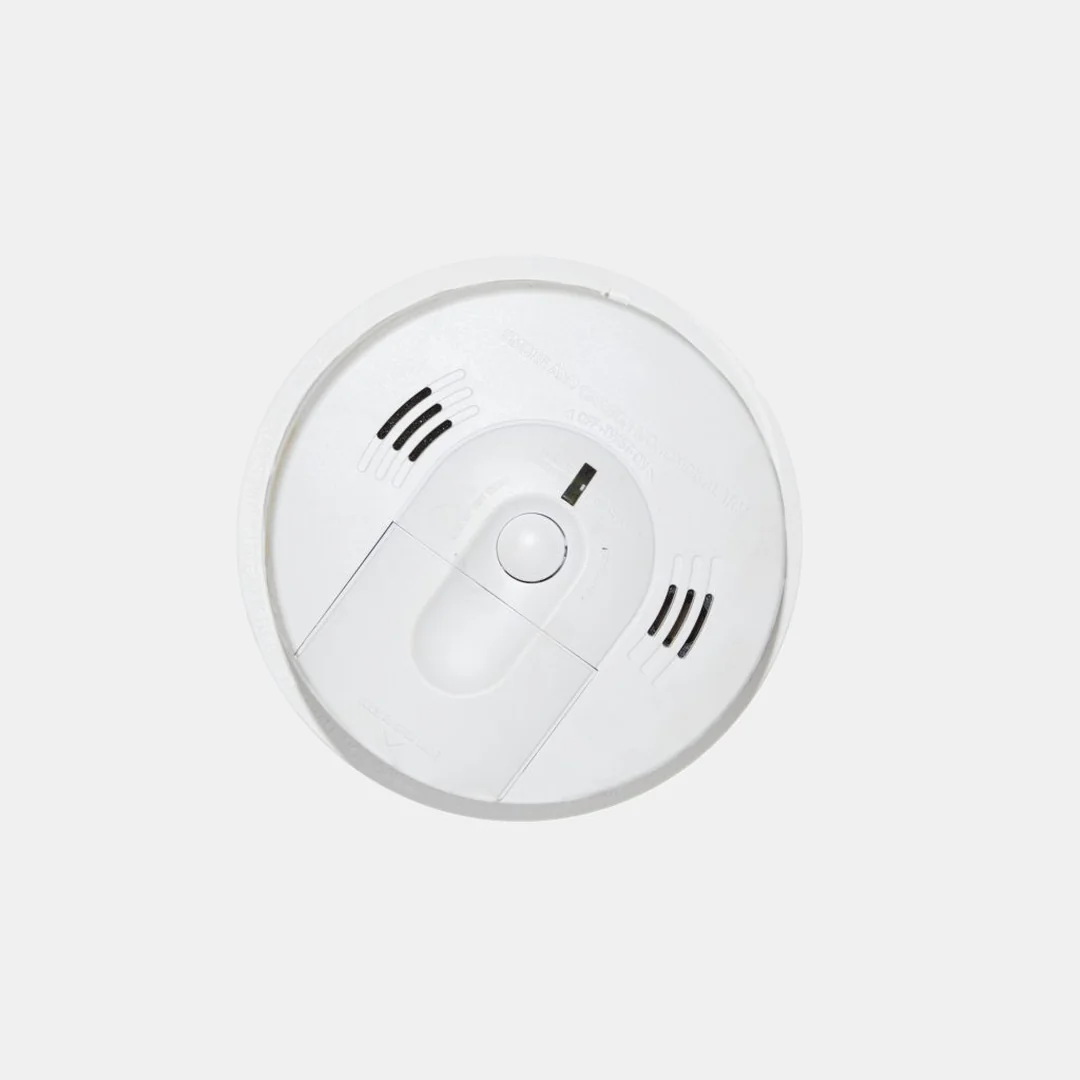
A chirp every 30 to 60 seconds is usually a low battery or an alarm past its 10 years. We test it, and fit a new alarm if it is faulty or due.
5.0 from 24 Google reviewsUpfront pricesLicensed & insured
Offers on this job
- $0Call-out feeOn booked jobs, Monday to Friday, 7am to 5pm.
- $139Home safety inspectionSwitchboard, safety switches, smoke alarms and wiring, all checked.
- $60 offYour first jobNew customers save on their first booked job.
The $0 call-out is for booked jobs: a time we have set together, with the work going ahead. It applies Monday to Friday, 7am to 5pm. After-hours emergency call-outs have a minimum charge of $349 + GST, and Lachie confirms it on the phone before he drives out.
Why it beeps, and where alarms should be
A single chirp every minute or so is the alarm asking for attention, not a fire. The plan below shows the usual causes and where alarms belong in a typical home.
- A chirp every 30–60 seconds
- More than 10 years old
- Outside the bedrooms
- Linked together
- Too close to the kitchen or bathroom
A chirp every 30–60 seconds
Usually a low or flat battery. Hardwired alarms have a backup battery too, and chirp when it runs down.
More than 10 years old
Alarms wear out. The date is on the back or side. Past 10 years, replace it even if it still beeps when tested.
Outside the bedrooms
Every level needs at least one working alarm. The best spot is the hallway outside the bedrooms, so it wakes people in time.
Linked together
Interconnected alarms all sound when one does, so you hear a fire at the other end of the house. New homes must have them.
Too close to the kitchen or bathroom
Toast, steam and dust set alarms off. Moving the alarm or using the right type stops the false alarms.
What usually causes it: more detail on each cause
Chirping is nearly always the battery or the alarm's age. False alarms are usually about where it's fitted.
A low or flat battery Most common
Hardwired alarms run on 240V with a backup battery for blackouts. Some backups can be swapped. Others are sealed 10-year lithium cells, and when they run down the whole alarm is replaced.
An alarm past its 10 years
The sensor loses sensitivity with age and dust. Many alarms chirp or flash once they reach end of life, and no new battery will stop that.
Steam, cooking or dust Common in older layouts
An alarm right outside the bathroom or beside the kitchen reacts to steam and toast. Dust and insects in the sensor do the same. Moving a hardwired alarm a little further away often ends false alarms for good.
One bad alarm in a linked system
Interconnected alarms are linked by wire or wireless signal, so one failing or badly placed alarm sets them all off. That makes one problem alarm hard to live with.
A wiring or power fault
A hardwired alarm that sounds at random, or has no power light, may have a loose connection, a tripped circuit or a failed unit. That needs a licensed electrician to check.
What the beeping is telling you
Listen for the pattern. A short chirp and a full alarm mean different things.
One chirp every 30 to 60 seconds
That's the low-battery warning. In a hardwired alarm it's the backup battery. It often starts in the early hours, when the house is coldest.
Still chirping after a new battery
If a fresh battery doesn't stop it, the alarm has most likely reached the end of its life. The date is printed on the back.
A full alarm with no smoke
Steam from the shower, toast, dust or a small insect inside the alarm can set it off. If it's the same alarm every time, its position or age is usually why.
Every alarm goes off at once
Interconnected alarms are meant to sound together. The one that started it usually has a flashing light. That is the one to look at.
No power light on a hardwired alarm
Most 240V alarms have a small light to show they have mains power. If it's off, the alarm is on its backup battery, or not working at all.
How we sort it
We find which alarm is the problem and why, then replace that one, or the whole set if it's due. We don't repair alarms: a faulty one gets a new alarm.
- 1
Find the alarm and check its age
Lachie tests each alarm, checks its date and type, and whether you have battery-only, hardwired or interconnected alarms. If one just needs a new backup battery, that's all we do.
- 2
Replace old alarms like for like
Old hardwired alarms are replaced with 240V photoelectric alarms that meet AS 3786, with a 10-year lithium backup battery, so there are no yearly battery swaps.
- 3
Put them in the right places
We check there is an alarm on every level and in the hallway outside the bedrooms, and move any that sit too close to the bathroom or kitchen.
- 4
Test them together and leave a record
We test every alarm and, if they're interconnected, check that one sets off the rest. You get a record of what was installed and when, which landlords need for their files, and a CCEW where the work needs one.
New battery, new alarms, or interconnected alarms: your options side by side
It depends on the alarm's age and type, and whether the house is a rental or being renovated.
In NSW every home needs at least one working smoke alarm on each level. New homes and major renovations need hardwired, interconnected alarms under the National Construction Code. More alarms, linked together, give more warning than the minimum. We fit all brands, including wireless-linked alarms. Buy the alarms through us and we pass on our trade discount.
What you can safely do now
A chirping alarm is annoying, not dangerous. An alarm that doesn't work is.
Safe to do now
- Find which alarm it is. Stand under each one and wait for the chirp.
- If it's a battery-only alarm, replace the battery and press the test button. That one you can do yourself.
- If it's going off with no smoke, open a window, fan the air near it and press the hush button if it has one.
- Renting? Tell your landlord or property manager in writing.
Don't
- Don't take a hardwired alarm off the ceiling yourself. It's connected to 240V wiring.
- Don't take the battery out to stop the noise and then forget it. A battery-only alarm with no battery won't warn you of a fire, and a hardwired one won't work in a blackout.
- Don't cover an alarm with tape or a bag, or paint over it.
Call straight away if
- Smoke or fire: get everyone out, close doors behind you and call 000. Never put water on an electrical fire.
- A hardwired alarm keeps going off with no smoke, or won't stop.
- An alarm has no power light, smells of burning or looks scorched.
- You manage a rental and an alarm isn't working. Landlords must keep smoke alarms in working order.
Questions people ask
Why does my smoke alarm chirp in the middle of the night?
Usually a low battery. A weak battery's voltage drops as the house cools overnight, so it often starts chirping in the early hours. In a hardwired alarm it's the backup battery. If a new battery doesn't stop it, the alarm is probably past its 10 years.
Can I replace a hardwired smoke alarm myself?
No. Hardwired alarms are connected to 240V wiring, and in NSW that work must be done by a licensed electrician. You can change the battery in a battery-only alarm yourself. For a hardwired one, call us.
How often should smoke alarms be replaced?
Every 10 years, manufacturers say, or sooner if one fails a test. The date is on the back. If there's no date, or the case has yellowed, it's very likely due.
What are the rules for smoke alarms in a rental?
In NSW, landlords must keep smoke alarms in working order and check them every year. Removable batteries are replaced every year, or for lithium batteries when the maker says, and alarms are replaced within 10 years of manufacture. A hardwired alarm must be repaired or replaced by a licensed electrician. We replace and install alarms for landlords and property managers, and leave a record of what we fitted.
What are interconnected smoke alarms, and do I need them?
They're linked by wire or wireless signal, so when one sounds they all sound. New homes and major renovations need them. In an existing home the minimum is one working alarm per level, but linked alarms are worth having in two-storey homes and anywhere you can't hear an alarm from the bedroom.
Which type of smoke alarm is best?
Photoelectric. Fire and Rescue NSW recommends them because they pick up smouldering fires well, the kind that can start while you sleep. We fit 240V photoelectric alarms that meet AS 3786, with a 10-year lithium backup battery. We fit all brands.

Get a free quote from Lachie
Four quick details and Lachie will be in touch. Your quote is back within 24 hours, with no hidden fees.
- Free quotes. Back to you within 24 hours, in plain English, with no hidden fees.
- Upfront pricing. You know the cost before any work starts.
- 100% satisfaction guarantee. Not happy with the work? Lachie comes back and makes it right, free.
- Quality guarantee. Every job done to the Australian wiring rules (AS/NZS 3000), with parts that meet Australian standards, and tested before we leave.
Rather talk it through? Call Lachie on 0402 079 953